The short answer
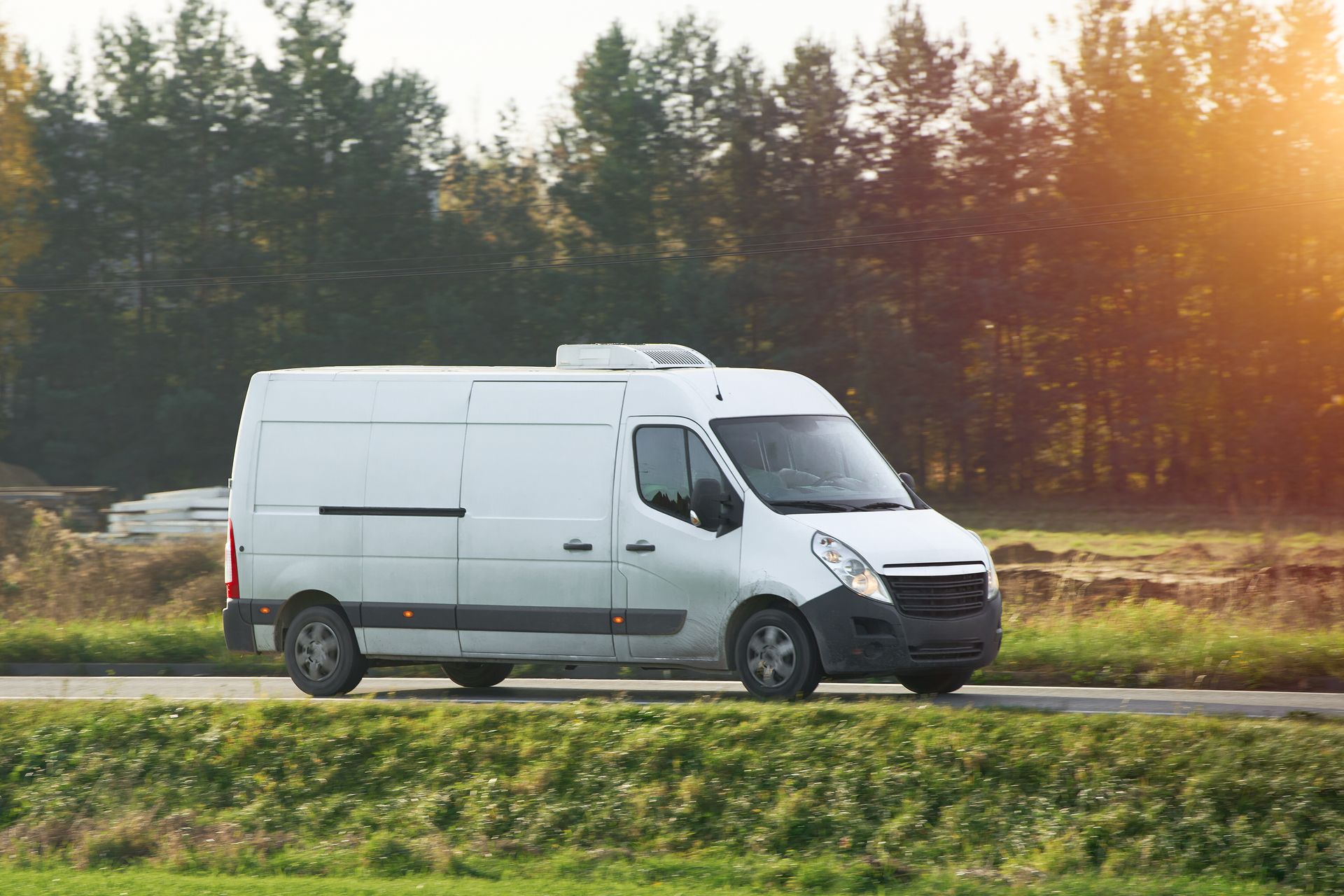
When a delivery driver causes a crash in Oklahoma, more than one person or company may have legal and financial responsibility. The driver is the starting point. From there, the investigation should identify who hired the driver, who assigned and controlled the route, who owned or leased the vehicle, who maintained it, and what the driver was doing at the time of the collision.
That matters because a van displaying a familiar logo may be operated by a separate delivery-service business. Conversely, a contract calling the driver an “independent contractor” does not end the analysis. The actual relationships, conduct, and right of control must be examined under Oklahoma law.
Potentially responsible parties
- The delivery driver. A driver may be personally responsible for unsafe acts such as speeding, following too closely, failing to yield, distracted driving, or backing without a proper lookout.
- The driver's employer. Under Oklahoma respondeat-superior principles, an employer may be responsible for an employee's tort committed within the course and scope of employment. The Oklahoma Supreme Court explains that course and scope is often a fact-dependent question. See
Sheffer v. Carolina Forge Co., 2013 OK 48.
- A delivery-service provider or contractor. Some branded delivery networks use local companies that hire drivers and operate routes. That company may be the direct employer, the commercial-auto insured, or both.
- Another company with its own negligent conduct. Depending on admissible evidence, claims may concern negligent hiring, training, supervision, entrustment, routing, or safety policies. These are not automatic claims against every brand; each theory requires supporting facts.
- The vehicle owner, lessor, maintenance provider, or loader. A mechanical defect, negligent maintenance, unsafe loading, or a separate ownership arrangement can add responsible parties.
Why the logo does not answer the question
A police report may list the driver and vehicle owner, but it may not identify every company in the delivery chain. The van's markings, DOT number, license plate, insurance card, driver uniform, delivery device, and statements about the route should all be documented. Corporate registrations, contracts, dispatch records, and insurance information can then be used to test who employed, controlled, insured, or entrusted the vehicle.
The practical rule is simple: do not assume the largest name on the vehicle is automatically liable, and do not assume it is automatically insulated. Investigate the real operating structure.
Was the driver acting within the job?
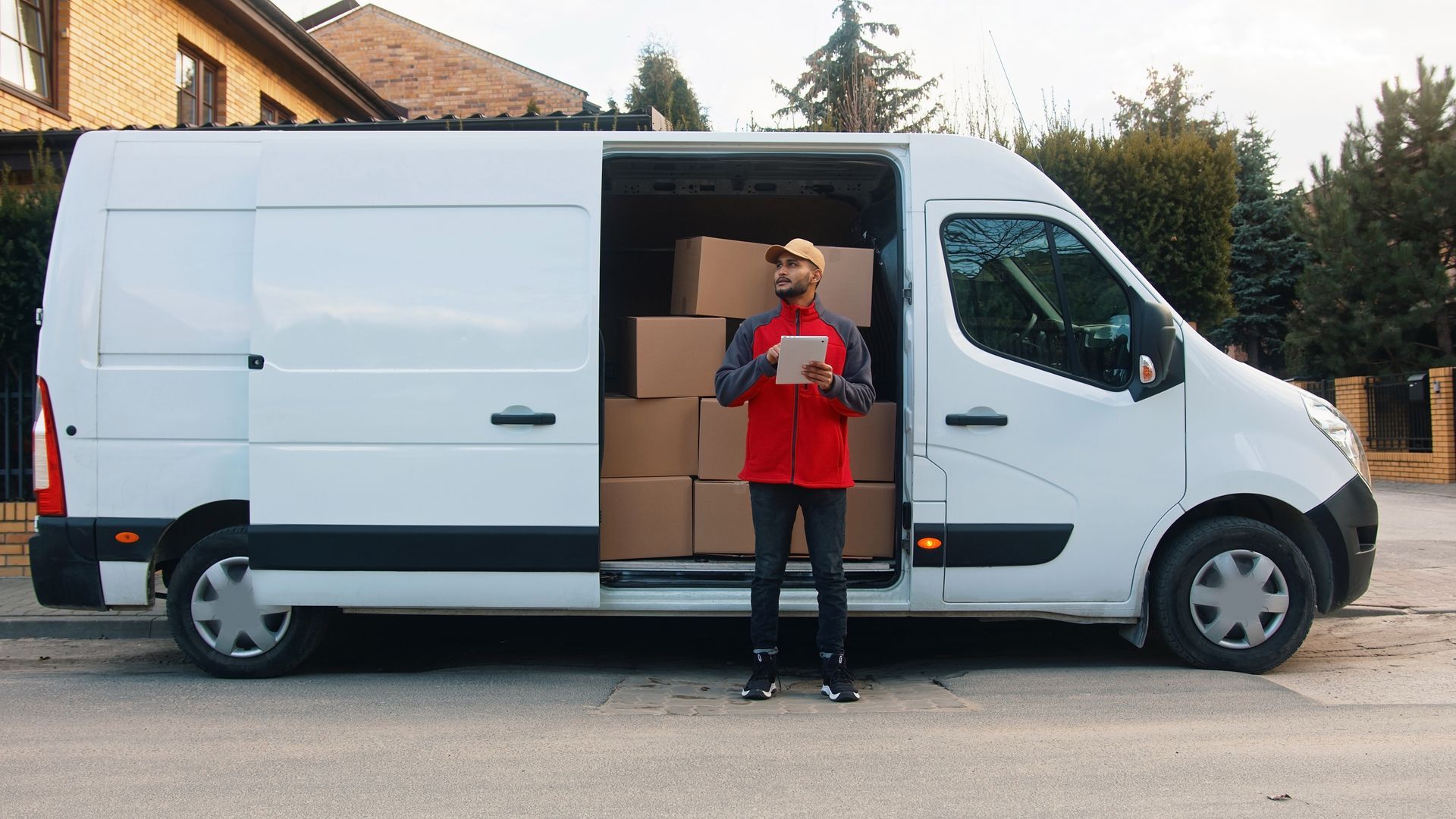
Liability often turns on what the driver was doing when the crash occurred. A driver traveling between assigned stops, returning to a station, or performing another delivery task presents a different question from a driver on a purely personal errand. Route data, package scans, dispatch messages, time records, and location data can help establish the answer.
Oklahoma decisions recognize that course and scope ordinarily depends on the circumstances, including whether the conduct was incident to assigned duties or furthered the employer's business.
Tuffy's, Inc. v. City of Oklahoma City is one of the Oklahoma authorities addressing that analysis.
What insurance may pay
Possible coverage can include a commercial-auto policy, a policy issued to the local delivery company, excess or umbrella coverage, coverage applicable to a leased vehicle, and the injured person's uninsured/underinsured-motorist coverage. Federal financial-responsibility rules may apply to some qualifying interstate commercial motor vehicles, but they do not establish one universal policy limit for every delivery van.
The companion article
What Insurance Covers a Delivery-Vehicle Accident in Oklahoma? explains the coverage layers and the federal $750,000 rule's limits.
Evidence that should be preserved quickly
Delivery cases may involve dash cameras, inward- or outward-facing cameras, telematics, electronic delivery records, route history, package scans, dispatch messages, driver scorecards, training records, inspection records, and post-crash investigation materials. Some data may be overwritten or retained only for a limited period.
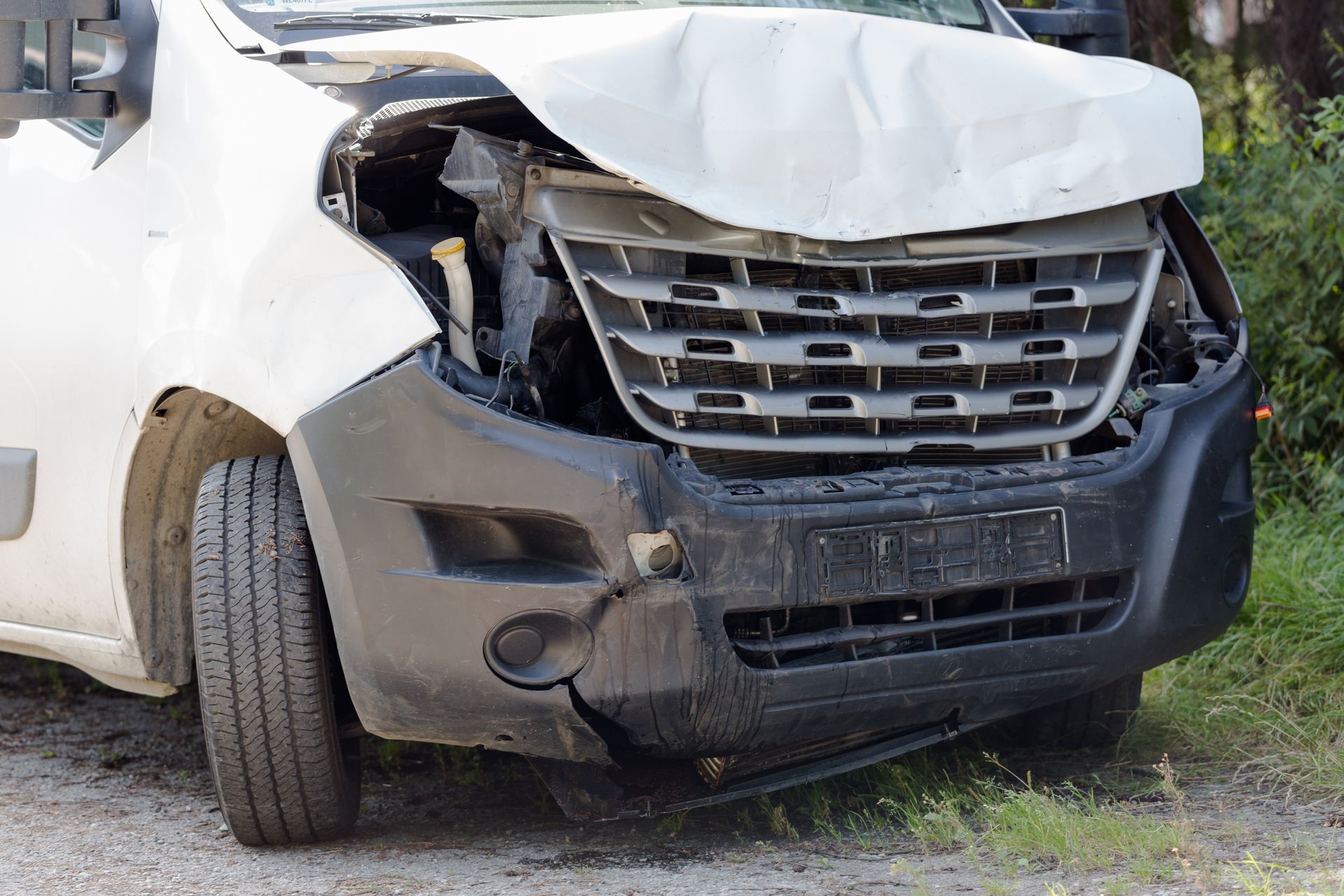
Photograph the vehicle, all company markings, the DOT number if displayed, the license plate, and the point of impact. Save your own photographs, videos, medical records, receipts, and communications. A lawyer can send targeted preservation notices and identify records that should be requested. Our
delivery-crash evidence guide provides a fuller checklist.
How Oklahoma fault rules affect recovery
Oklahoma uses modified comparative negligence. Under
23 O.S. § 13, a claimant's contributory negligence does not bar recovery when it is of lesser degree than the combined negligence causing the damage, but the damages are reduced in proportion to the claimant's negligence. Insurers may use disputed facts to shift blame, making early documentation important.
Talk with an Oklahoma delivery-vehicle accident lawyer
The
commercial-vehicle accident team at the Law Office of Michael R. Green, PLLC investigates the operating company, employment relationship, insurance coverage, electronic evidence, and safety rules that may apply. Call
(918) 743-2500 or
contact us online for a free consultation.