The answer is not automatic
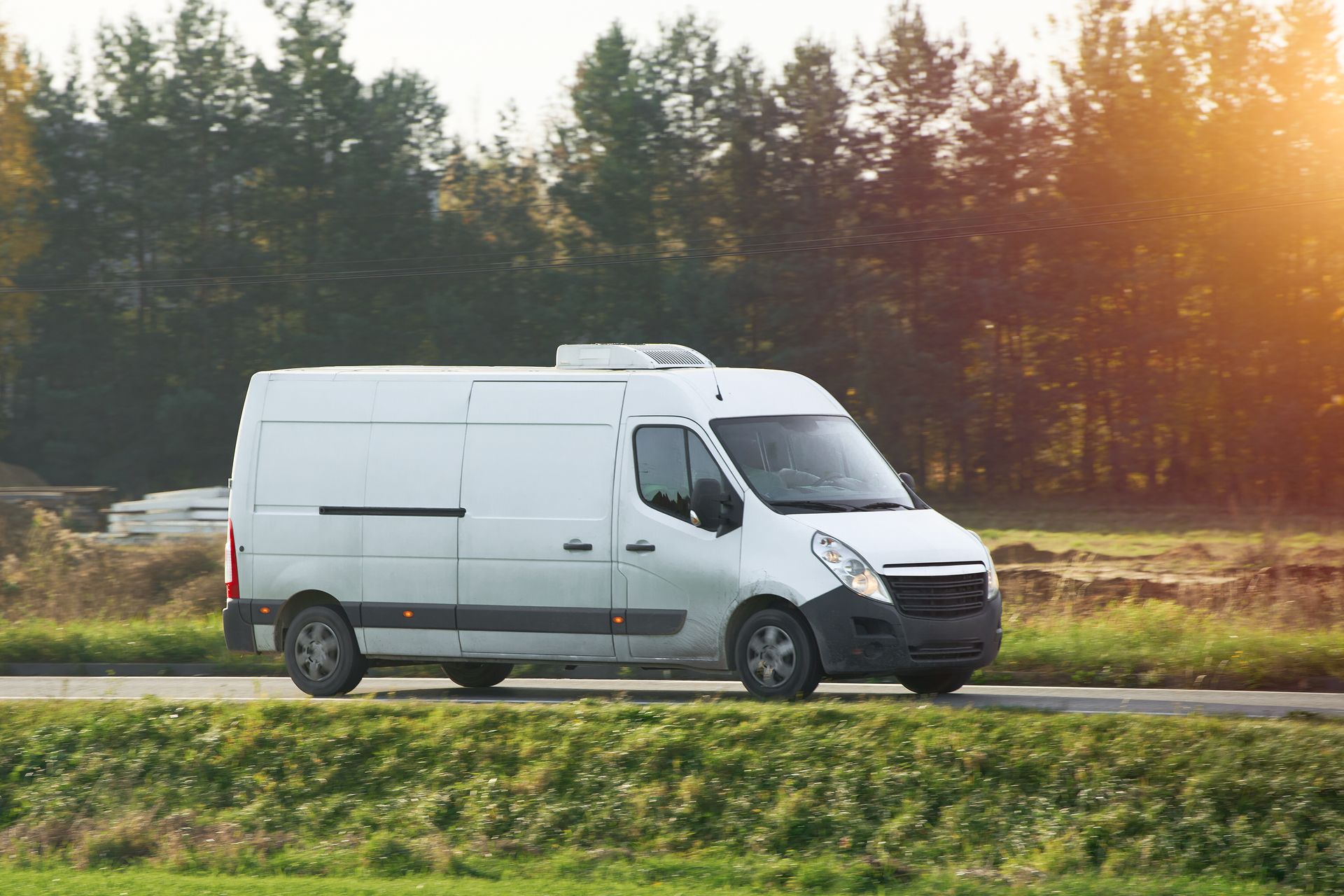
Some delivery vehicles are regulated commercial motor vehicles under federal law; others are not. A step van, box truck, tractor-trailer, cargo van, and passenger car may be treated differently. The key facts include the vehicle's rating and actual weight, whether the transportation is in interstate commerce, what is being carried, and whether an exception applies.
49 CFR § 390.3T states the general applicability rule. The definition of “commercial motor vehicle” for this subchapter appears in
49 CFR § 390.5T.
The 10,001-pound property-vehicle threshold
For property transportation in interstate commerce, the federal definition generally includes a self-propelled or towed vehicle with a gross vehicle weight rating, gross combination weight rating, gross vehicle weight, or gross combination weight of 10,001 pounds or more—using the greater applicable measure. Separate passenger-capacity and placarded-hazardous-material provisions can also trigger the definition.
This is not the same as the commercial-driver's-license threshold. A vehicle can be a regulated CMV for some FMCSRs even when the driver does not need a CDL. The
FMCSA's USDOT-number guidance summarizes the federal categories and notes that some states, including Oklahoma, have additional intrastate registration requirements.
What “interstate commerce” means
A vehicle does not have to cross a state line during the particular route for the transportation to be interstate commerce. Under the federal definition, the inquiry can include whether the property is moving as part of trade, traffic, or transportation originating outside the state or destined outside it. The shipment's intended movement and the carrier's role require a fact-specific analysis.
A purely intrastate operation may still be subject to Oklahoma-adopted motor-carrier rules. Federal and state coverage should be checked independently instead of inferred from a logo.
Rules that may matter after a crash
If the operation is covered, potentially relevant rules may address driver qualifications, safe operation, inspection and maintenance, hours of service, texting, handheld mobile-phone use, accident records, and financial responsibility. Relevance still depends on the facts and the precise regulation.
Federal rules prohibit texting while driving a covered CMV and prohibit a motor carrier from allowing or requiring it. See
49 CFR § 392.80. They likewise restrict handheld mobile-phone use under
49 CFR § 392.82.
49 CFR § 392.3 addresses operation while fatigue, illness, or another cause makes the driver unsafe.
49 CFR § 392.6 prohibits a motor carrier from scheduling a run in a period that would necessitate speeding.
Short-haul does not mean no rules
Short-haul exceptions can change how covered drivers satisfy particular hours-of-service or recordkeeping requirements. For example,
49 CFR § 395.1 includes a 150-air-mile short-haul provision with time and record conditions. It is not a blanket exemption from every federal safety rule.
Likewise, the holiday-period retail-delivery provision in that section is limited by its own terms. It should not be described as a general exemption for delivery companies.
A practical coverage checklist
Ask: What vehicle was involved? What are its GVWR, GCWR, actual gross weight, and combination weight? Was it carrying property, passengers, or placarded hazardous material? What was the shipment's origin and intended destination? Who was the motor carrier? Was a DOT number displayed? Does an exception change a particular duty? Which version of the regulation applied on the crash date?
The answers should come from vehicle labels, registration and lease records, bills or manifests, carrier records, testimony, and reliable public databases—not assumptions about branding.
Why regulatory status matters
Applicable regulations can identify records that should exist and provide safety standards relevant to the investigation. A violation does not automatically resolve negligence, causation, agency, damages, or admissibility. Oklahoma law and the evidence still control those issues.
If you were hurt in a delivery-vehicle collision, our
commercial-vehicle accident team can investigate the vehicle, carrier, route, and governing rules. Call
(918) 743-2500or
contact Green Injury Law.