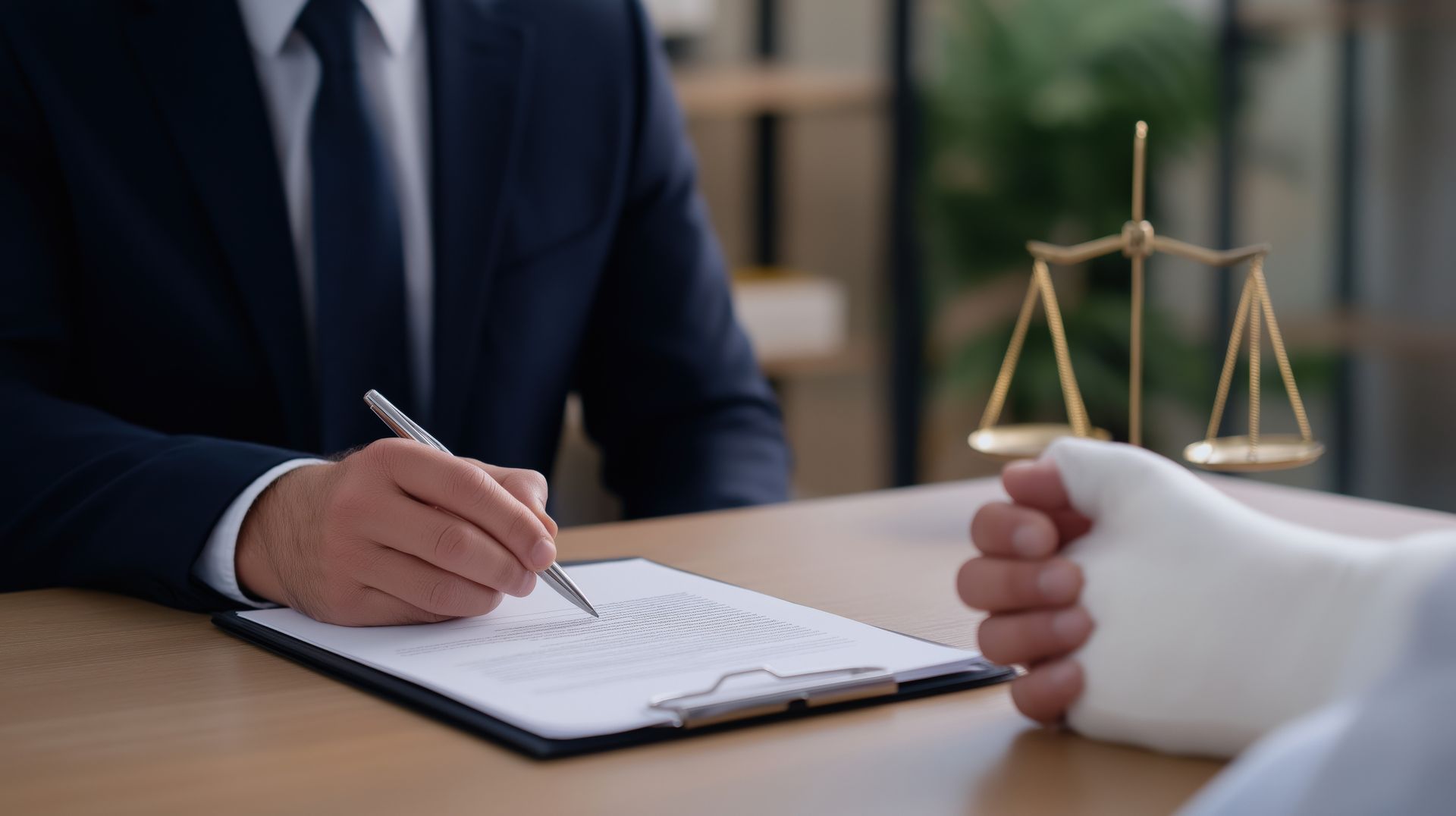
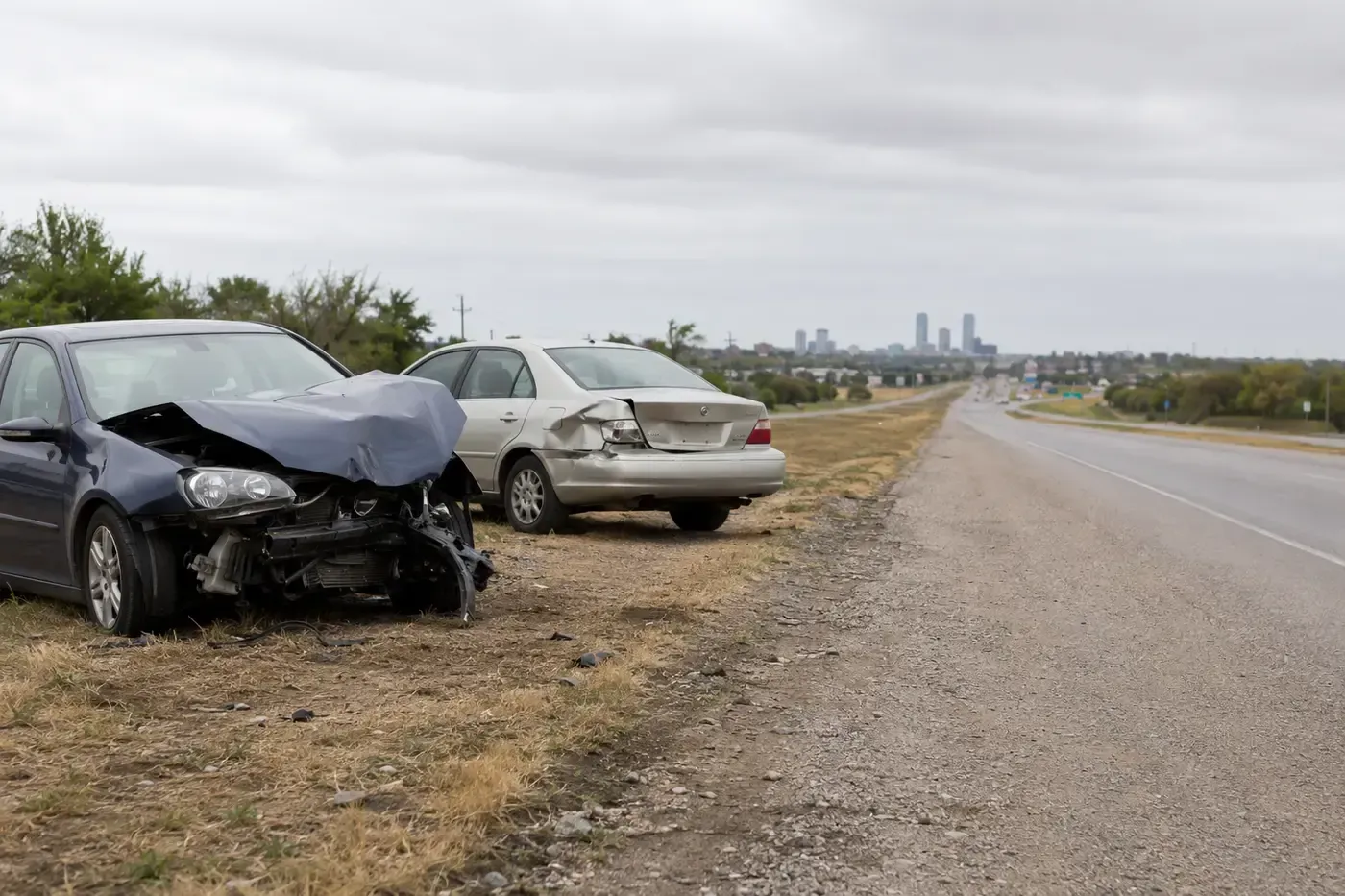
Most people have never handled an injury claim before. Insurance companies handle them every day. That difference in experience matters, especially during the first days and weeks after an accident when evidence is easiest to preserve and an injured person may not yet know the full medical outcome.
The following mistakes do not automatically end every claim. But each one can give the insurer an argument to reduce, delay, or deny payment.
1. Waiting Too Long to Get Medical Care If you are hurt, seek appropriate medical attention. A delay can allow a condition to worsen and may let the insurer argue that the injury was minor or caused by something that happened later. Explain every affected area to the provider; do not focus only on the symptom that hurts most that day.
2. Ignoring Treatment Recommendations or Missing Appointments Recovery is rarely perfectly linear, and real life can interfere with treatment. Still, repeated unexplained gaps may be used to argue that care was unnecessary or symptoms resolved. Follow reasonable medical advice, attend appointments when possible, and document legitimate reasons—such as transportation, illness, cost, or scheduling—when you cannot.
3. Giving a Recorded Statement Without Understanding the Purpose An adjuster may sound helpful while asking questions designed to define fault, symptoms, prior conditions, and activity levels. Early answers are often given before records are reviewed or the injury is fully understood. Be polite, but consider getting legal advice before providing a recorded statement to another party’s insurer.
4. Signing a Broad Medical Authorization A broad authorization may permit the insurer to collect years of unrelated medical information. The insurer is entitled to investigate relevant history, but that does not mean every authorization is appropriately limited. Read the document and ask questions before signing.
5. Posting About the Accident or Your Activities Assume that public posts, photographs, videos, comments, and location data may be reviewed. A single image rarely shows the pain before or after an activity, the help required, or the recovery time. Avoid discussing the claim online, do not accept unknown connection requests, and do not delete existing content without legal advice.
6. Failing to Preserve Evidence Save photographs, video, damaged property, receipts, witness information, correspondence, and electronic data. Ask nearby businesses or property owners promptly about surveillance footage because systems may overwrite it. Keep the clothing, product, vehicle component, or other physical item involved when it may matter.
7. Exaggerating—or Hiding—Information Overstatement creates credibility problems. So does concealing a prior injury, earlier claim, treatment gap, or unfavorable fact. Give medical providers and your lawyer accurate information. If you do not remember something, say that instead of guessing.
8. Accepting a Settlement Before the Medical Picture Is Clear A quick payment may not include future care, permanent impairment, lost earning ability, or complications that have not yet been diagnosed. A release generally ends the claim. Before accepting, understand what rights are being waived and whether all available insurance and responsible parties have been identified.
9. Assuming the Police Report Decides the Entire Case A report can be important, but it is not always complete and does not necessarily resolve civil liability. Officers may not witness the event, all evidence may not be available at the scene, and additional witnesses or video may later change the picture.
10. Missing a Legal Deadline Oklahoma generally allows two years for many personal injury actions under 12 O.S. § 95, but the correct deadline depends on the claim. Governmental claims can require written notice within one year under 51 O.S. § 156, and other claims may involve different rules. Do not wait until the apparent deadline to investigate.
What Should You Do Instead?
- Get appropriate medical care and describe symptoms accurately;
- Photograph the scene, hazard, vehicles, property damage, and visible injuries;
- Collect witness names and contact information;
- Keep a folder for reports, bills, receipts, insurer communications, and work-loss information;
- Preserve physical and electronic evidence;
- Avoid discussing fault, injuries, or settlement value on social media;
- Talk with a personal injury lawyer early enough to preserve evidence and identify the correct deadlines.
Do Not Panic If You Already Made a Mistake
People often call a lawyer after giving a statement, missing treatment, posting online, or signing an authorization. The mistake may be explainable, limited, or less significant than it feels. Do not attempt to “fix” it by changing records, deleting evidence, or giving a new inaccurate explanation. Tell the lawyer exactly what happened and provide the related documents or messages.