What Evidence Should Be Preserved After an Amazon or Delivery-Van Crash?
Use this Oklahoma delivery-crash evidence checklist to identify camera footage, route data, package scans, telematics, driver records, and insurance information.
QUICK ANSWER
Preserve scene photographs, vehicle and company identifiers, witness information, medical records, and your own communications. The delivery company may possess camera footage, telematics, route history, package scans, dispatch messages, driver records, inspections, and post-crash materials. A targeted preservation notice should be sent promptly because some electronic data may be overwritten.
Why speed matters
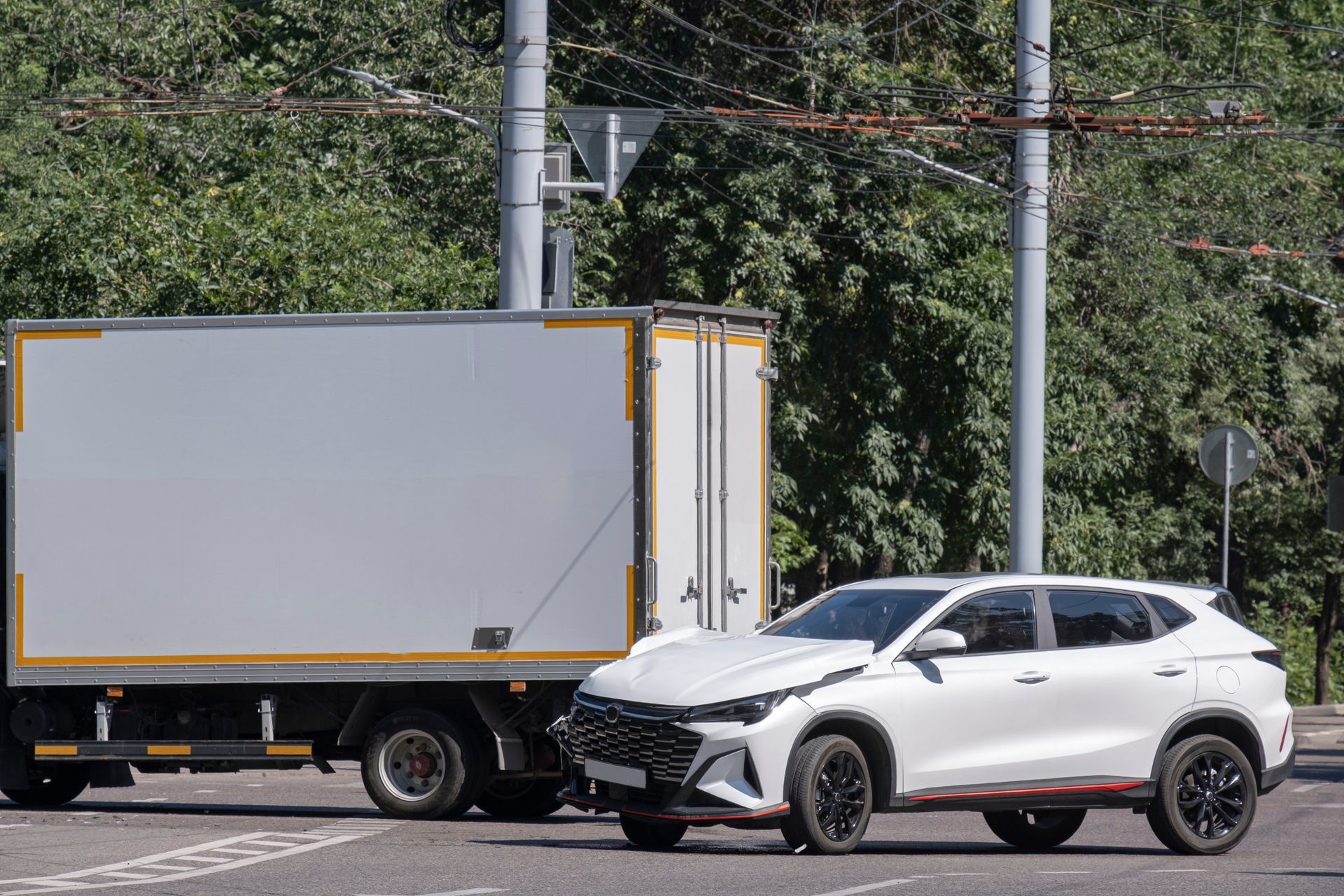
A delivery crash can generate electronic and corporate evidence that does not exist in an ordinary two-car collision. The same systems used to route packages, monitor vehicles, communicate with drivers, and measure performance may help show where the vehicle was, what task the driver was performing, and what happened before impact.
Not every company uses the same technology or retention period. A preservation request cannot create data that never existed, but early, specific notice can reduce the risk that relevant information is lost through routine deletion or overwrite.
Evidence you can safely preserve
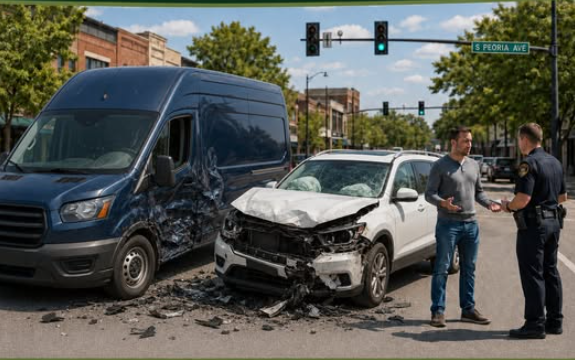
If conditions allow, photograph the full scene, vehicle positions, damage, debris, skid or tire marks, traffic controls, lighting, weather, sight lines, and any nearby cameras. Capture the delivery vehicle's plate, unit number, logo, DOT number, and other company markings.
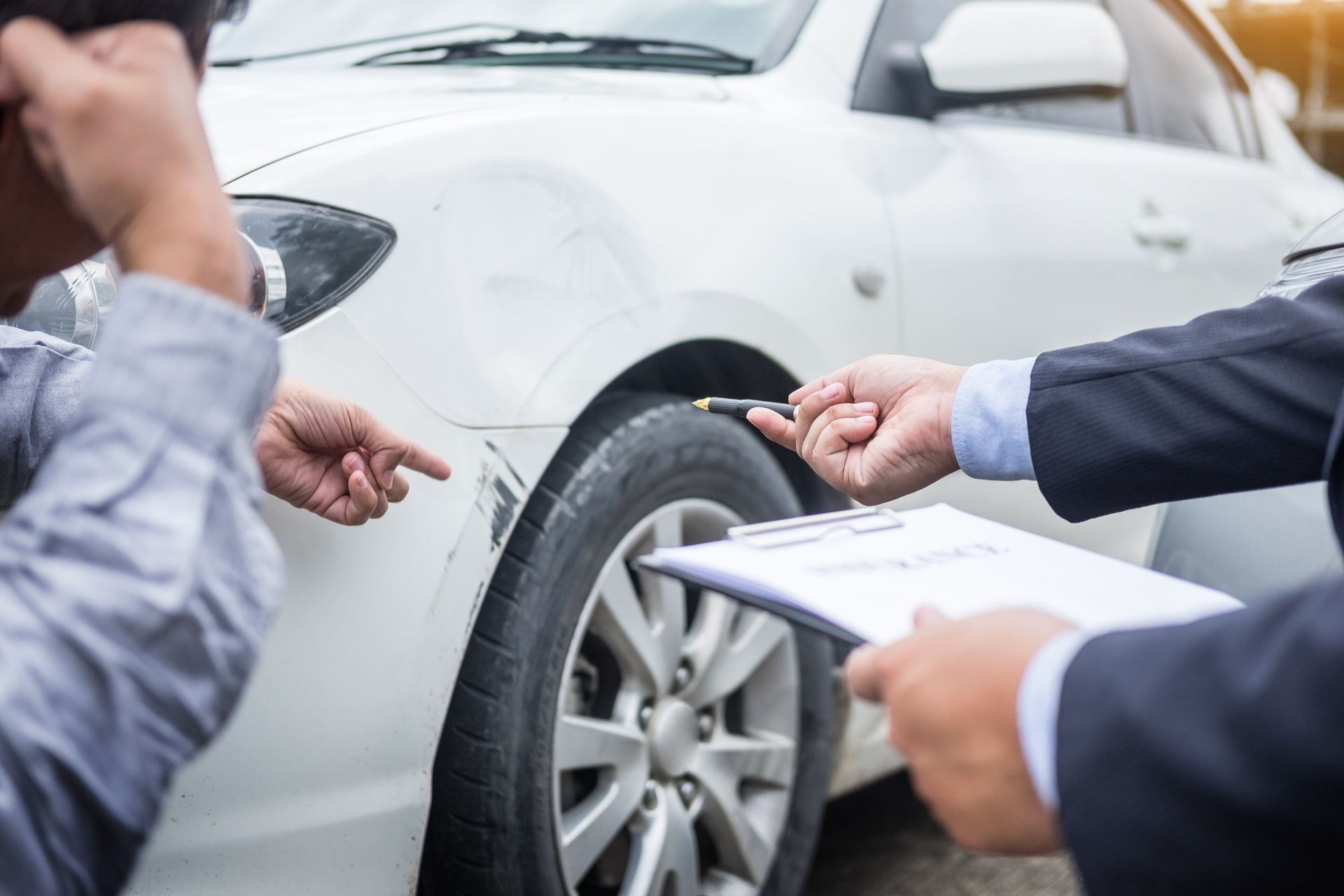
Save the crash report information, witness names, insurance card, medical discharge papers, receipts, photographs of injuries, damaged-property photographs, and communications with insurers. Keep original files when possible because metadata may be useful. Do not trespass, confront a driver, enter a vehicle, or put yourself in danger to collect evidence.
Company and electronic records to identify
- Camera evidence: outward-facing or inward-facing vehicle cameras, dash cameras, nearby business or residential video, intersection cameras, and post-crash photographs.
- Vehicle data: GPS history, telematics, speed and braking data, event-data-recorder information when available, diagnostic alerts, and electronic inspection records.
- Delivery data: route assignments, stop sequence, package scans, delivery timestamps, delivery photographs, navigation entries, geofence events, and records from the driver's delivery device.
- Communications: dispatch messages, calls, texts, in-app communications, safety alerts, and supervisor instructions.
- Driver and company records: application and qualification materials, training, prior safety events, schedules, time records, performance metrics, policies, discipline, and post-crash testing or investigation materials when applicable.
- Vehicle and business records: ownership, lease documents, maintenance and repair history, daily inspections, cargo/loading information, contracts, insurance policies, and the identity of every company in the delivery chain.
What a preservation letter should do
A preservation letter should identify the collision, vehicles, date, location, people, and categories of potentially relevant evidence with enough detail to be useful. It should reach the proper entities—not merely a generic customer-service address. The operator, employer, vehicle owner, insurer, technology vendors, and other custodians may hold different records.
The request should be tailored. Overbroad boilerplate can obscure the evidence that matters, while a request aimed only at the well-known brand may miss the local operating company that owns the records.
Federal accident records when the rules apply
For covered motor carriers, 49 CFR § 390.15 requires an accident register for three years after qualifying accidents and specifies related information and reports. That rule does not mean every delivery collision qualifies or that every company possesses the same records. First determine whether the carrier and operation are covered.
The public FMCSA SAFER Company Snapshot can help identify a carrier by name, USDOT number, or MC/MX number and provides selected identification, size, inspection, crash, and safety information. Public database entries are leads, not substitutes for case-specific evidence.
Evidence also protects against blame shifting
Delivery companies and insurers may dispute speed, lane position, signal color, distraction, injury severity, or who employed the driver. Oklahoma's comparative-negligence rule can reduce or bar recovery depending on the allocated percentages, so objective evidence may become central. Learn more in our guide to Oklahoma comparative negligence.
Get the downloadable checklist
This article should be published with a one-page, printer-friendly “Oklahoma Delivery-Vehicle Crash Evidence Checklist.” Making the checklist available in accessible HTML as well as PDF gives readers, reporters, safety organizations, and other lawyers a useful resource they can cite and link to.
For help preserving evidence after a delivery crash, call
(918) 743-2500 or
contact the Law Office of Michael R. Green, PLLC. Our
commercial-vehicle accident page explains more about these cases.
Frequently asked Questions
How quickly can delivery-vehicle camera footage be erased?
Retention periods vary by company, device, event type, and vendor. Some data may be overwritten through routine processes, so preservation efforts should begin promptly.
Can I get the driver's route and package-scan records?
Those records may exist and may be requested through preservation efforts, insurance investigation, or litigation. Availability and discoverability depend on the facts and law.
What if the delivery van does not display a company name?
Photograph the plate, unit number, DOT number, vehicle markings, driver identification, insurance card, and any packages or equipment visible from a lawful location. These clues can help identify the operator.
Should I download or alter original photos before sending them?
Keep the original files intact. Send copies when possible and preserve the device or storage location so metadata and full-resolution images are not lost.
Legal disclaimer: This article provides general information, not legal advice. Reading it does not create an attorney-client relationship. Laws, regulations, deadlines, and facts vary; consult a qualified lawyer about a specific matter.
Recent Posts